
English
Views: 0 Author: Site Editor Publish Time: 2026-05-20 Origin: Site


Scaling packaging operations requires serious capital investment. Buying the wrong equipment destroys your return on investment quickly. Production bottlenecks emerge constantly on the factory floor. Wasted packaging film ruins your daily profit margins. The cost of a carton shrink wrap machine involves much more than its initial sticker price. You must carefully weigh your upfront capital expenditure against ongoing operational costs. A cheap machine often leads to expensive daily maintenance. High-quality automated systems demand higher initial funds but reduce long-term labor expenses drastically. This guide provides a transparent breakdown of current machine pricing tiers. We explore hidden operational costs you might otherwise overlook. You will discover practical evaluation frameworks designed specifically for operations managers and purchasing decision-makers.
Baseline Ranges:Entry-level manual systems start under $500, while industrial fully automated lines can exceed $30,000 depending on throughput.
Automation Tiers:The leap from a semi-automatic L Type Shrink Wrap Machine to a fully automatic system represents the largest price jump but offers the highest labor savings.
TCO Reality:Consumable materials (shrink film) and energy usage (heat tunnels) will often surpass the initial machine cost within the first 12–18 months of high-volume operation.
Application Matters:Specialized setups, such as heavy-duty bundlers used for Water bottle heat shrink packaging, require different heating and sealing specs than standard retail carton wrappers, impacting the final quote.
Understanding market categories helps you budget accurately for equipment. Machine prices vary wildly based on their underlying automation levels. Every tier solves a specific production challenge. We must examine the primary tiers to guide your purchasing strategy.
Small businesses usually start their packaging journey here. These manual units fit perfectly into low-volume warehouse operations. They handle fewer than 100 cartons daily without straining components. Startups utilize them for sporadic shipping needs.
Best for: Low-volume, small-business operations prioritizing footprint reduction.
Features: The system combines sealing and shrinking into one physical step.
You save significant floor space using a chamber system. A single clear acrylic hood covers the product entirely. However, operation remains highly labor-intensive continuously. Operators must physically pull the film and press the sealing hood downward. This physical exertion slows down production considerably over an eight-hour shift.
Growing businesses require better efficiency to meet shipping deadlines. A semi-automatic L Type Shrink Wrap Machine provides consistent retail-quality finishes. It bridges the gap between manual labor and full automation.
Best for: Medium-volume operations requiring consistent aesthetic quality.
Features: Operators manually feed the carton while the machine handles the L-bar seal.
An integrated motorized conveyor moves the package seamlessly. The product enters a separate heat tunnel automatically. You balance your upfront cost effectively against measurable production speed. This tier eliminates the painful bottleneck of manual heat gun application. Workers experience less fatigue, and package consistency improves dramatically.
Industrial operations require non-stop continuous motion. These advanced systems integrate directly into existing manufacturing conveyor lines. They represent a major capital expenditure but deliver maximum throughput.
Best for: Inline manufacturing, high-throughput logistics, and multi-pack bundling.
Features: No dedicated human operator is required for daily running.
Advanced optical sensors detect incoming products automatically. Servo motors drive the sealing jaws with extreme precision. Heavy-duty sleeve wrappers fall into this premium tier. Factories use these robust systems constantly for Water bottle heat shrink packaging. They bundle heavy corrugated shipping cartons securely for palletization.
Automation Level | Estimated Price Range | Ideal Production Volume | Dedicated Operator Needed? |
|---|---|---|---|
Manual Chamber Systems | $200 - $2,500 | Low (Under 100 PPM) | Yes (Constant) |
Semi-Automatic L-Bar | $2,500 - $8,000 | Medium (Up to 15 PPM) | Yes (Feeding only) |
Fully Automatic Systems | $10,000 - $40,000+ | High (40+ PPM) | No (Supervisory only) |
Buyers often miss hidden operational expenses during the procurement phase. Factory realities dictate your true long-term budgetary requirements. Trustworthy manufacturers highlight these ongoing costs transparently upfront. A cheap initial purchase often masks horrific daily running costs. Let us break down these operational expenditures clearly.
Film selection directly impacts your daily warehouse expenses. You must match the plastic material to the physical application. Selecting the wrong film gauge causes constant tearing and product damage.
Polyolefin (POF): Retail cartons typically utilize 60-gauge or 75-gauge POF film. It offers exceptional visual clarity. It resists tearing effectively on store shelves. However, premium POF costs more per roll than industrial alternatives.
Polyethylene (PE): Heavy shipping operations require much thicker PE film. It secures heavy transit bundles robustly. PE film generally costs less per pound. Yet, you apply significantly more material per package, increasing the per-unit expense.
Industrial heating equipment draws massive amounts of electrical power. Continuous heat tunnels represent a significant monthly utility expense. Most industrial buyers underestimate this continuous power draw.
A standard continuous heat tunnel usually requires a 220V/3-phase electrical connection. It must maintain internal temperatures steadily above 300 degrees Fahrenheit. This electrical draw runs constantly during active factory shifts. You must calculate local kilowatt-hour (kWh) rates carefully. Energy costs easily add thousands of dollars annually to your facility overhead.
Mechanical packaging machines wear down gradually during operation. Preventative maintenance prevents catastrophic production downtime. Ignoring maintenance schedules destroys expensive internal components.
You must replace several standard wear parts routinely. Teflon tape covering the sealing bars burns out regularly. Nichrome sealing wires snap under repetitive stress. High-temperature silicone conveyor belts degrade eventually. Unexpected downtime costs far more than scheduled replacement parts. We strongly recommend keeping essential spare kits in your maintenance inventory constantly.
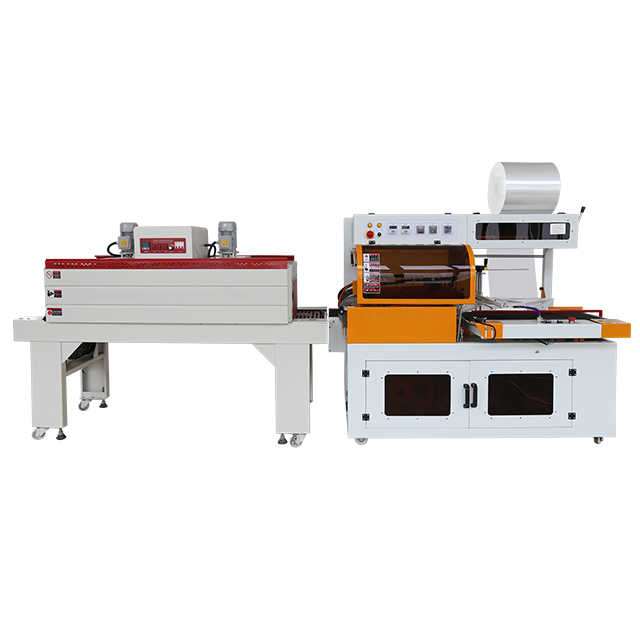
Buyers must understand feature-to-outcome frameworks before requesting quotes. Certain technical specifications inflate machine prices significantly. Let us examine the specific engineering drivers behind premium equipment quotes. Knowing these factors prevents you from overpaying for unnecessary features.
Production speed dictates core engineering requirements. Upgrading from 15 packs per minute (PPM) to 40+ PPM demands robust internal components. Speed is never cheap in packaging machinery.
Fast machines require heavier-duty drive motors. They utilize advanced Programmable Logic Controllers (PLCs) like Siemens or Allen-Bradley systems. Heat tunnels must feature faster internal heat recovery systems to maintain temperature. Rapid continuous sealing cycles demand advanced cooling fan integrations. These mechanical upgrades ensure reliability but increase the sticker price noticeably.
Modern packaging lines rarely handle one single box size forever. Variable carton dimensions require highly flexible equipment. Machines offering rapid toolless changeovers command premium prices.
Operators adjust internal conveyor rails and film racks instantly using hand cranks. Fixed-dimension machines cost significantly less upfront. However, they cause severe operational bottlenecks during seasonal product switchovers. Flexible sealing dimensions maximize your daily uptime. If you run multiple SKUs daily, you must invest in flexible changeover mechanics.
Enterprise buyers demand strict regulatory compliance. Certification ensures factory worker safety and lowers insurance premiums. Engineering safety into heavy machinery requires rigorous testing.
Machines built strictly under UL/CSA-listed electrical standards cost more. European CE certification adds substantial engineering overhead. Advanced safety guarding protects your workers from burns and pinches. Light curtains and automatic emergency shut-off switches prevent severe injuries. These safety integrations remain critical for corporate compliance. They completely justify the higher initial equipment cost.
Implementation realities require smart financial risk mitigation. You have three primary paths to acquire industrial packaging equipment. Each strategy carries unique benefits and potential drawbacks. You must align your acquisition strategy with your current cash flow realities.
New equipment provides maximum operational peace of mind. You should focus strictly on comprehensive OEM warranties. Buying new guarantees access to modern, energy-efficient PLC components.
You receive direct manufacturer installation support. Factory engineers customize integration directly into your existing conveyor lines. You secure the maximum possible equipment lifespan. Furthermore, new equipment often qualifies for favorable Section 179 tax depreciation deductions in many jurisdictions. This approach suits established companies planning long-term facility expansions.
Refurbished machines offer massive upfront cost savings. Standard production models often sell for 30% to 50% off retail prices. Brokers rebuild these units replacing worn belts and heating elements.
This path suits standard, non-customized packaging applications perfectly. However, you must proceed cautiously. Always check legacy PLC component availability. Older electronics become obsolete rapidly, making future repairs impossible. Inspect internal heating elements for excessive carbon buildup. Always test refurbished equipment physically before finalizing your payment.
Leasing shifts heavy capital expenditure directly to manageable operational expenditure. It solves short-term capacity issues beautifully without draining cash reserves. Many modern suppliers offer flexible lease-to-own programs.
Consider leasing for temporary pilot production programs. Seasonal holiday demand spikes also justify short-term machine leases. You avoid locking up vital liquid cash in depreciating mechanical assets. Many comprehensive leasing agreements include regular preventative maintenance servicing automatically. This ensures maximum uptime during your busiest production months.
You need a concrete action plan today. Evaluating machinery vendors requires a highly systematic approach. Do not rely on glossy brochures alone. Follow these actionable steps to shortlist trustworthy manufacturers safely.
Establish solid baseline metrics immediately before calling sales representatives. You must know your exact operational targets. Vague requirements lead to inaccurate pricing quotes.
Determine your target continuous packs per minute (PPM).
Measure your maximum and minimum carton dimensions precisely.
Calculate your specific labor reallocation goals.
Clear baseline metrics prevent suppliers from over-selling unnecessary technical features. You keep the negotiation focused on your actual production needs.
Never sign a large purchase order blindly. You must demand a formal Factory Acceptance Test (FAT). This step guarantees machine performance prior to shipping.
Send your actual unsealed cartons directly to the manufacturer. Include several rolls of your preferred packaging film. Require a continuous video-documented test run. This process proves the machine handles your specific materials perfectly. It effectively eliminates frustrating integration surprises upon factory delivery.
A broken packaging machine stops factory revenue generation immediately. Superior after-sales support dictates your long-term success. A cheap machine becomes incredibly expensive if parts take weeks to arrive.
Factor in domestic spare part availability. Research their regional service technician networks thoroughly. Ask vendors for comprehensive video training materials. Reliable suppliers offer instant remote troubleshooting assistance via video calls. Strong support networks easily justify paying slightly higher initial equipment prices.
The true cost of equipment heavily depends on your specific operational needs. Your desired throughput speed dictates underlying engineering complexity. Ongoing operational expenses will often outweigh your initial sticker prices. You must calculate these daily variables carefully to protect your profit margins. Do not under-buy on capacity simply to save money upfront today. A cheap machine maxing out its speed on day one quickly becomes a severe factory bottleneck. Business growth requires mechanical headroom. You should calculate your daily throughput requirements accurately right now. Contact a qualified sales engineer to discuss your specific operational challenges. Request a customized sample test run immediately. Secure a detailed quote tailored directly to your unique carton dimensions and factory floor layout.
A: Running costs depend heavily on local electricity rates and bulk film prices. You calculate this by combining the kilowatt-hour (kWh) draw of the heat tunnel with the per-foot cost of consumable film. A standard 220V tunnel drawing 10 kW at $0.15/kWh costs $1.50 hourly in pure energy. Film consumption formulas vary strictly by carton dimensions.
A: Most L-bar sealers handle lightweight to medium-weight retail cartons perfectly. They typically top out around 15 to 25 pounds safely. The fine sealing wire struggles with heavy downward pressure. When bundling heavy transit items, you must upgrade to a heavy-duty sleeve wrapper featuring stronger pneumatic sealing jaws.
A: Polyolefin (POF) provides high-clarity retail finishes. Polyethylene (PE) is much thicker, used strictly for heavy transit bundling. Machine choice matters greatly here. Heavy-duty PE film requires dedicated cooling fans immediately after the heat tunnel exits. These specialized cooling specs increase the initial machine purchase price.
A: Yes, fully automatic systems usually require compressed air. They utilize pneumatically driven sealing bars for high-pressure closure. This represents a hidden factory infrastructure cost. You must supply clean, dry air at specific PSI levels constantly. Manual systems typically run entirely on electricity without requiring pneumatics.


