
English
Views: 0 Author: Site Editor Publish Time: 2026-08-24 Origin: Site


Scaling pharmaceutical solid dosage production creates an inherent tension between maximizing throughput and maintaining zero-defect primary packaging compliance. Facilities must push high volumes of tablets and capsules out the door while ensuring every single unit meets strict barrier requirements. Relying on manual or semi-automatic blister packaging introduces unacceptable variables into this process. Operators struggle with inconsistent sealing temperatures, high labor overhead, elevated contamination risks, and excessive material scrap. These inefficiencies threaten regulatory standing, compromise dosing accuracy, and erode profit margins.
Transitioning to a fully automated system eliminates these production bottlenecks. Modern packaging lines demand precision, repeatability, and minimal human intervention to maintain cleanroom integrity. This guide evaluates the technical advantages of an automatic blister packing machine. We categorize equipment variations based on specific material requirements and outline the implementation realities necessary for a successful capital equipment upgrade.
Fully automated systems operate independently from feeding to discharging, drastically reducing human-induced contamination and ensuring hermetic, tamper-evident seals for sensitive solid dosage forms.
Selecting the correct equipment requires matching the machine type—such as an automatic hard blister packing machine versus soft blister variants—to specific drug barrier requirements (e.g., PVC/PVDC vs. Cold-Form Alu-Alu).
Modern advancements, including zero-waste molding technology and servo-driven tool-less changeovers, directly improve operational efficiency by minimizing material scrap, saving floor space, and reducing downtime.
Successful deployment hinges on rigorous validation protocols (IQ/OQ/PQ), cGMP-compliant cleaning designs, and seamless integration with downstream cartoning and serialization equipment.
Meeting cGMP, FDA, and EMA standards remains the absolute foundation of pharmaceutical primary packaging. Regulatory bodies mandate strict thresholds for moisture, oxygen, and light barriers to protect sensitive medications from degradation. Solid dosage forms require specific micro-environments to maintain their chemical stability throughout their stated shelf life. Hygroscopic APIs, for example, will rapidly degrade if exposed to even minute levels of ambient humidity. Any deviation in the packaging process can lead to compromised chemical structures, triggering costly recalls and damaging brand reputation.
Identifying current production bottlenecks requires a critical look at existing legacy equipment. Manual feeding errors frequently lead to empty cavities or crushed tablets. Inconsistent heating and sealing pressures generate micro-leaks that remain invisible to the naked eye but completely destroy the barrier integrity of the blister pack. These mechanical inconsistencies compromise drug efficacy and drastically shorten shelf life. Quality assurance teams often discover these failures during routine methylene blue dye ingress testing, forcing facilities to scrap entire batches of high-value medications.
Alleviating accuracy and safety concerns demands precise dosing mechanisms. The packaging system must guarantee that the correct solid dosage form enters every single cavity without exception. Furthermore, the feeding process must handle the product gently to prevent chipping, dusting, or surface degradation. Broken tablets violate quality control standards and create dust that interferes with the sealing station, leading to further barrier failures.
Establishing baseline metrics for success provides a clear roadmap for equipment upgrades. Facilities must define target units per minute (UPM) based on upstream tablet press capacities. Acceptable scrap percentages must be driven down to near-zero levels. Tracking Overall Equipment Effectiveness (OEE) and defining the maximum allowable changeover times ensure that the new automated system delivers the required return on investment through continuous operation.
Defining the operational leap from semi-automatic to fully automated processes reveals a massive shift in production philosophy. In a fully automated setup, the entire sequence occurs continuously without human intervention. Operators no longer manually load film or align blister cards. The machine pulls the web, forms the cavities, drops the product, seals the lidding foil, and punches the final cards in one synchronized motion.
The integration of Programmable Logic Controllers (PLCs) and Human-Machine Interfaces (HMIs) drives this operational independence. These systems maintain consistent operational parameters across every shift, eliminating the variability inherent in human-operated machinery. PLCs monitor the critical sealing triangle—temperature, pressure, and dwell time—making micro-adjustments in real-time. This reduces operator fatigue and provides comprehensive, real-time audit trails required for 21 CFR Part 11 regulatory compliance.
A standard automated sequence follows a strict, mechanically timed progression:
Web Unwinding: Servo-driven dancer rollers maintain precise tension on the forming film to prevent stretching or warping.
Pre-Heating: Teflon-coated heating plates bring the plastic web to the exact glass transition temperature required for forming.
Forming: Compressed air and mechanical plugs shape the cavities uniformly.
Product Feeding: Dedicated brush boxes or vibratory tracks load the solid dosage forms into the cavities.
Vision Inspection: High-speed cameras verify product presence and integrity.
Sealing: The lidding foil is applied using rotary or platen sealing mechanisms under strict temperature and pressure controls.
Punching and Discharging: The continuous web is cut into individual blister cards, and waste material is wound onto a scrap spool.
An automatic hard blister packing machine is engineered specifically for thermoforming rigid materials. Common substrates processed on these machines include Polyvinyl Chloride (PVC), Polyethylene Terephthalate (PET), Polystyrene (PS), and Polyvinylidene Chloride (PVDC). The machine heats the plastic web until it becomes pliable, then uses compressed air or mechanical plugs to push the material into a mold, forming the distinct cavities required for the product.
These machines represent the ideal use case for standard solid dosage forms, including basic tablets, caplets, and hard gelatin capsules. They deliver high-speed, high-volume output necessary for over-the-counter (OTC) medications and high-demand prescriptions. Structural rigidity and product visibility remain the top priorities here, allowing consumers and pharmacists to easily identify the medication through the clear plastic blister.
Heating and forming dynamics specific to rigid plastics require highly tuned mechanical stations. For deep cavities or complex capsule shapes, the machine utilizes plug-assist forming to ensure uniform wall thickness and prevent material thinning. Modern thermoforming units also adapt to emerging recyclable mono-materials, allowing pharmaceutical companies to meet sustainability goals without sacrificing production speed or barrier integrity. Processing PVDC, for instance, requires precise temperature control because it is highly sensitive to overheating, which can cause the material to degrade and stick to the heating plates.
An automatic soft blister packing machine is fundamentally different, engineered for cold-forming aluminum (Alu-Alu) packaging. Instead of using heat to soften the web, this machine uses immense mechanical pressure to stamp cavities into a multi-layer aluminum laminate. This cold-forming process creates a robust, opaque blister well that completely encapsulates the product.
The ideal use cases for cold-form machinery involve highly sensitive APIs that degrade rapidly when exposed to environmental factors. Alu-Alu packaging provides an absolute, 100% barrier against moisture, light, and oxygen. Medications such as highly reactive antibiotics, effervescent tablets, and specific cardiovascular drugs mandate this level of uncompromising protection to maintain their chemical structure.
Operational realities for cold forming dictate specific engineering requirements. Cold forming requires specialized, highly polished tooling to prevent the aluminum web from tearing or micro-fracturing during the stamping process. Because aluminum draws rather than stretches, the blister pockets must be designed larger than their thermoformed counterparts. This requires precise web tension controls to keep the heavy aluminum laminate tracking perfectly through the machine. Additionally, these machines often integrate inline pinhole detection systems using infrared sensors to ensure the aluminum barrier remains uncompromised after the stamping process.
A full-auto soft blister packaging machine provides end-to-end continuous or intermittent motion optimized for flexible, high-barrier materials. Many of these advanced systems feature hybrid capabilities, allowing operators to switch between thermoforming plastics and cold-forming aluminum on a single chassis. This dual-functionality provides immense flexibility for contract manufacturing organizations handling diverse product portfolios.
Integration of advanced automated feeding systems is a hallmark of these high-end machines. Depending on the product, the machine might utilize dedicated brush feeders, vibratory tracks, or robotic pick-and-place arms. These feeding architectures are designed to handle fragile or uniquely shaped tablets without causing abrasion, chipping, or dust generation, ensuring the sealing zone remains perfectly clean. Planetary brush feeders are particularly effective for sweeping standard round tablets into cavities at high speeds without causing surface damage.
Built-in camera-based vision inspection systems serve as the critical quality control checkpoint. Positioned immediately after the feeding station and before the sealing station, these high-speed cameras scan every single cavity. They automatically detect and reject empty cavities, broken products, or incorrect color variations. If a defect is found, the machine's shift register tracks that specific blister card and automatically ejects it at the discharge station, ensuring 100% quality control without stopping the line.
Blister Packaging Technology Comparison Matrix
Feature | Thermoforming (Hard Blister) | Cold-Forming (Soft/Alu-Alu) | Hybrid Systems |
|---|---|---|---|
Primary Materials | PVC, PVDC, PET, PS | Aluminum Laminate (Alu-Alu) | Both Plastics and Aluminum |
Forming Method | Heat and Compressed Air/Plug | Mechanical Stamping (Pressure) | Interchangeable Tooling |
Barrier Protection | Moderate to High (Depends on film) | Absolute (100% Light/Moisture) | Variable based on setup |
Production Speed | Very High | Moderate | Variable |
Best Suited For | Standard tablets, OTC drugs | Sensitive APIs, Effervescents | Contract Manufacturing |
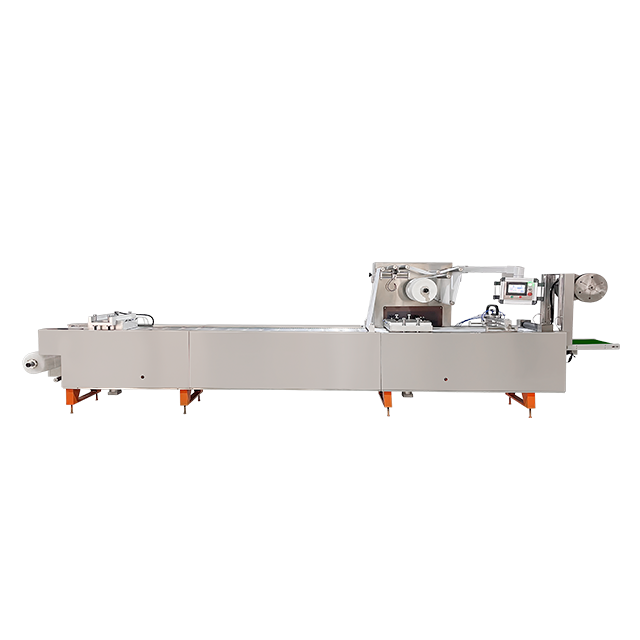
Precision control over the sealing station acts as the primary mechanism for drug stability. The machine must perfectly balance sealing temperature, mechanical pressure, and dwell time to ensure consistent, hermetic seals across every single blister card. If the temperature is too low, the lidding foil will not adhere; if it is too high, the plastic web may warp or the product inside could suffer thermal degradation. Automated systems monitor these variables in real-time, locking out the machine if parameters drift out of the validated recipe range.
This precise sealing process creates robust, tamper-evident packaging that protects patient safety. A properly sealed blister pack makes it immediately obvious if a medication has been compromised. Furthermore, modern blister machines integrate directly with inline printing stations to apply lot numbers, expiration dates, and 2D matrix codes directly onto the lidding foil. This meets stringent serialization and track-and-trace prerequisites, preventing counterfeiting and ensuring supply chain visibility from the manufacturing floor to the pharmacy shelf.
The financial impact of zero-waste blister molding technology cannot be overstated. Traditional blister machines often leave significant gaps between punched cards, resulting in a continuous lattice of wasted material. Advanced automated systems optimize web indexing to eliminate edge trim and interstitial scrap between blister packs. By punching cards flush against one another using cross-cutting technology, facilities significantly reduce consumable costs, maximizing the yield from every roll of forming film and lidding foil.
A drastic reduction in manual intervention directly lowers direct labor costs and minimizes human error rates. When operators are removed from the repetitive tasks of feeding and aligning, they can be reallocated to higher-value roles, such as quality monitoring and preventative maintenance. Automated systems ensure consistent production speeds regardless of shift changes, operator fatigue, or break times, stabilizing daily output metrics. Servo-driven indexing ensures the web advances by the exact millimeter required, preventing the cumulative tracking errors that plague older mechanical cam-driven machines.
Evaluating the mechanical design for format changeovers is critical for facilities handling multiple products. The industry has aggressively shifted away from cumbersome bolt-on tooling that requires wrenches and hours of downtime. Modern machines feature tool-less, quick-release mechanisms utilizing pneumatic clamps and locating pins. This allows a single technician to swap out forming molds, sealing plates, and punching dies in a fraction of the time, adapting quickly to various blister sizes.
The ability of the machine to handle diverse solid dosage forms without requiring entirely new feeding architectures maximizes the versatility of the packaging line. A well-engineered universal feeder or a programmable robotic pick-and-place system can switch from handling small, round tablets to large, oblong capsules with simple HMI recipe selections. Poka-yoke (error-proofing) designs are now standard on tooling components. Asymmetric locating pins ensure that operators cannot physically install a heating plate or cutting die backward, preventing catastrophic machine crashes upon startup.
Format Changeover Efficiency Analysis
Changeover Component | Legacy Mechanical Systems | Modern Servo-Driven Systems |
|---|---|---|
Forming Molds | Bolted, requires manual leveling (30+ mins) | Pneumatic quick-release, auto-leveling (5 mins) |
Feeding Tracks | Manual adjustment of guide rails (20 mins) | HMI recipe selection, auto-adjust (1 min) |
Sealing Plates | Bolted, requires thermal recalibration (45 mins) | Slide-in tracks with pre-set thermal profiles (10 mins) |
Punching Dies | Heavy lifting, manual alignment (40 mins) | Tool-less locking, poka-yoke pins (10 mins) |
Analyzing the high upfront capital expenditure of servo-driven, fully automated machines requires a long-term perspective. While the initial purchase price is substantial, facilities must weigh this against the long-term operational savings. These savings are realized through drastically reduced material waste, consistently higher yield rates, and lower labor requirements. A machine that eliminates 5% of material scrap daily will rapidly offset its initial purchase price in a high-volume pharmaceutical environment, especially when processing expensive Alu-Alu laminates.
Facilities must also evaluate the cost implications of specialized tooling for different blister formats. Each unique blister layout requires a dedicated set of forming, sealing, and punching tools. Furthermore, maintenance budgets must account for the lifespan of critical wear components. Heating plates, cutting dies, and Teflon-coated sealing rollers require periodic replacement to maintain seal integrity and clean cuts. Factoring in these consumable parts ensures accurate operational budgeting and prevents unexpected downtime due to worn tooling.
Space requirements heavily influence machine selection within pharmaceutical cleanrooms. Facilities must compare the linear footprint of continuous motion balcony-design machines against compact intermittent motion models. Continuous motion machines typically require a longer footprint to accommodate the continuous web flow, but they offer higher speeds. Compact intermittent models save valuable cleanroom space while maintaining high quality, making them ideal for facilities with strict square-footage limitations.
Line clearance and cleaning validation demand accessible, cGMP-compliant designs. Modern machines utilize cantilevered (balcony) architectures. In a balcony design, all the mechanical drive components—such as motors, belts, and gears—are housed in the back of the machine, while the product handling and web transport occur in the front. This physical separation prevents mechanical grease and particulate matter from contaminating the open blister pockets. It also significantly speeds up washdown and line clearance procedures, as operators have unobstructed access to the entire packaging zone.
Downstream compatibility ensures a unified packaging architecture. A blister machine does not operate in isolation. Assess how easily the equipment integrates with existing downstream machinery. The discharge station must smoothly transfer finished blister cards into cartoners using synchronized vacuum belts or robotic transfer arms. The line must also communicate seamlessly with checkweighers, tamper-evident labelers, and end-of-line case packers to create a fully automated, synchronized packaging suite.
The regulatory burden of validating a new packaging line is extensive. Facilities must execute rigorous Installation Qualification (IQ), Operational Qualification (OQ), and Performance Qualification (PQ) protocols. You must validate automated sealing parameters to prove they consistently produce hermetic seals across the entire operating range. Furthermore, software controls must be validated for 21 CFR Part 11 compliance, ensuring electronic signatures and audit trails are secure. Automated rejection systems must also be challenged with known defects during PQ to prove they reliably eject faulty products without disrupting the good product flow.
Mitigation requires partnering with experienced Original Equipment Manufacturers (OEMs). Do not attempt to navigate validation alone. Select partners that provide comprehensive Factory Acceptance Testing (FAT) before the machine leaves their facility, and Site Acceptance Testing (SAT) upon installation. The OEM should supply complete, pre-written validation documentation packages that your quality assurance team can adapt, drastically reducing the time required to bring the machine into commercial production.
Upgrading to fully automated systems causes a fundamental shift in workforce requirements. The reliance on manual laborers decreases, while the need for skilled technicians increases. Operators must be capable of managing complex HMI/PLC interfaces, monitoring real-time OEE data, and troubleshooting servo motor errors. A lack of technical proficiency will lead to extended downtime and sub-optimal machine performance, negating the speed advantages of the new equipment.
Mitigate this risk by establishing rigorous training protocols well before the machine is installed. Send key maintenance personnel to the OEM facility during the FAT phase for hands-on training. Develop comprehensive standard operating procedures (SOPs) for daily operation, format changeovers, and preventative maintenance. Implement a tiered troubleshooting guide to help operators quickly resolve minor faults—such as a web tracking error or a temperature fluctuation—without requiring immediate engineering intervention.
Conduct a comprehensive audit of your current primary packaging line to identify exact bottlenecks in throughput, sealing consistency, and material scrap.
Define your specific material barrier requirements based on API sensitivity before selecting between thermoforming, cold-forming, or hybrid machine architectures.
Request detailed OEE projections, scrap reduction estimates, and tooling changeover times from potential equipment manufacturers to validate your operational goals.
Prioritize modular, balcony-design machines that simplify cleaning validation and allow for seamless future integration with downstream cartoning and serialization equipment.
A: These machines handle a variety of substrates depending on the model. Thermoforming machines process rigid plastics like PVC, PVDC, PET, and PS. Cold-forming machines handle multi-layer aluminum laminates (Alu-Alu). Hybrid machines can process both plastic and aluminum materials.
A: Thermoforming uses heat to soften a plastic web before using air or mechanical plugs to form cavities. Cold forming uses immense mechanical pressure to stamp cavities into an aluminum laminate without heat, providing a 100% barrier against light and moisture.
A: Zero-waste technology optimizes the punching station and web indexing to eliminate the interstitial scrap and edge trim between individual blister cards. This maximizes the number of cards produced per roll of film, significantly reducing material costs.
A: Camera-based vision systems scan the formed web immediately after product feeding. They detect empty cavities, broken tablets, or incorrect colors. The system tracks these defects and automatically rejects the faulty blister cards at the discharge station.
A: A cantilevered or balcony design separates the mechanical drive components in the back from the packaging process in the front. This prevents mechanical lubricants from contaminating the product zone and makes cleaning and line clearance much faster and safer.
A: With modern servo-driven systems and tool-less, quick-release mechanisms, a trained technician can often complete a full format changeover (forming molds, sealing plates, punching dies) in 30 to 45 minutes, drastically reducing production downtime.


