
English
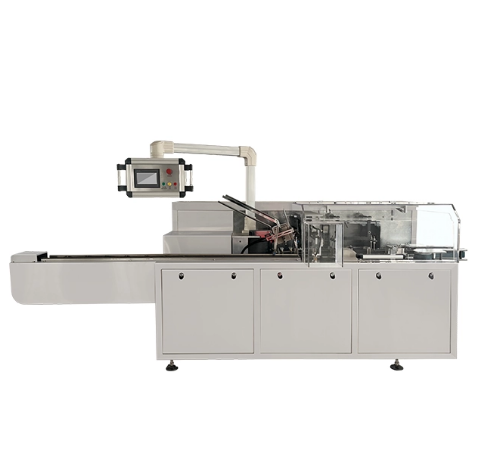
The global packaging landscape in 2026 is defined by a shift from simple automation to intelligent integration. As labor costs rise and sustainability mandates tighten, selecting an automatic carton packing machine manufacturer is no longer just about speed—it’s about Total Cost of Ownership (TCO), Overall Equipment Effectiveness (OEE), and future-proof flexibility. This guide evaluates the leading global players based on their technical innovation, regional service infrastructure, and industry-specific application expertise. Choosing the right partner means investing in a system that can adapt to new materials, integrate with your existing line, and deliver measurable returns through reduced downtime and operational efficiency. This analysis will equip you with the knowledge to make a strategic decision that supports your production goals for years to come.
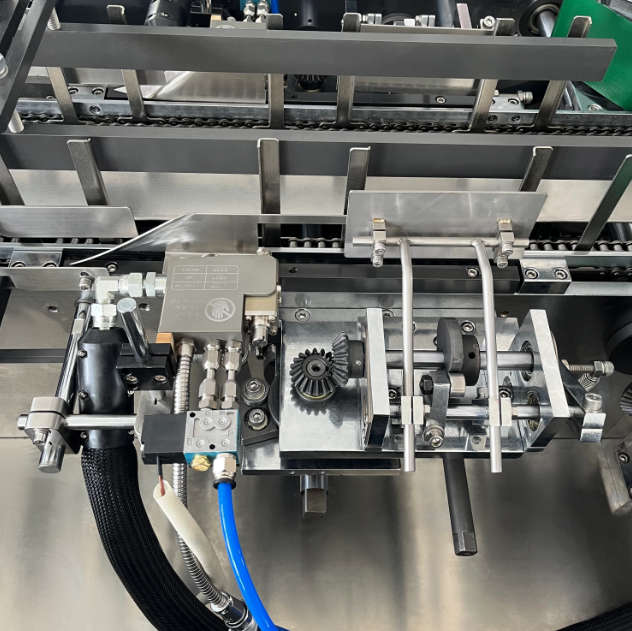
In manufacturing, the balance between rising labor overhead and high upfront capital expenditure (CAPEX) is a constant challenge. For many operations, the secondary packaging line represents a critical bottleneck where this dilemma is most acute. The industry is rapidly moving from labor-intensive manual packing to technology-driven automated solutions. This shift isn't just about speed; it's a strategic decision impacting efficiency, quality, and long-term profitability. Our objective is to provide a transparent analysis of the Total Cost of Ownership (TCO) for both manual and automated carton packing. By understanding the full financial picture, you can accurately determine the break-even point and make the most informed investment for your facility's future.
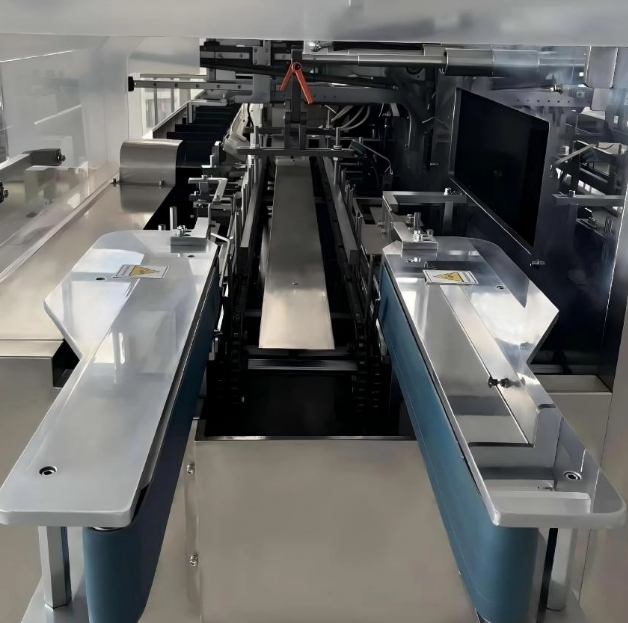
Unplanned downtime is not just an inconvenience; it is a direct drain on your profitability. Every minute an automatic carton packing machine sits idle, your production targets slip further away. Many businesses fall into a reactive "break-fix" cycle, only addressing problems after they cause a costly shutdown. The shift to proactive, preventive maintenance (PM) is a powerful strategy for protecting your investment and operational stability. This guide is designed to help you make that transition. You will learn the essential daily, weekly, and monthly tasks needed to extend the lifecycle of your equipment, ensure consistent Overall Equipment Effectiveness (OEE), and turn maintenance into a competitive advantage.
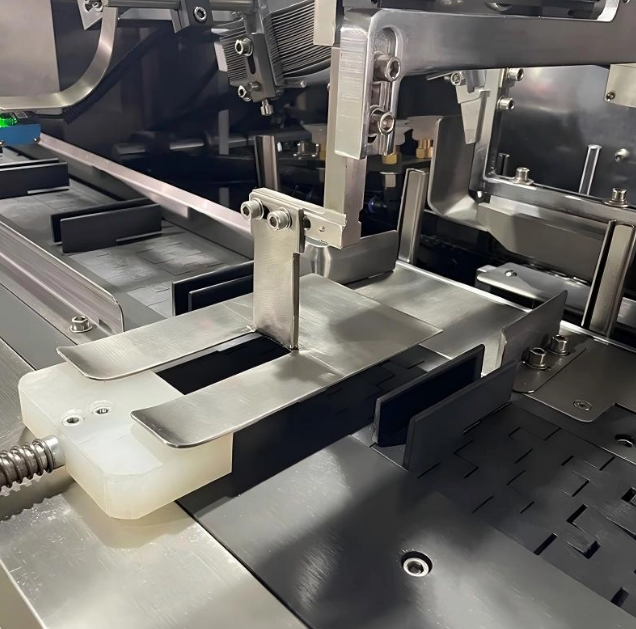
In modern manufacturing, the pressure to increase throughput while managing rising labor costs is immense. Production lines are constantly seeking ways to eliminate bottlenecks, and manual end-of-line packaging is often a primary culprit. This is where automation becomes a strategic imperative, not just a luxury. An automatic carton packing machine seamlessly integrates into the final stages of production, erecting cartons, inserting products, and sealing them with precision and speed. Making the right investment, however, requires a decision framework that looks beyond the initial capital expenditure. This guide will help you evaluate these machines based on critical technical specifications, industry-specific needs, and the all-important long-term return on investment (ROI).
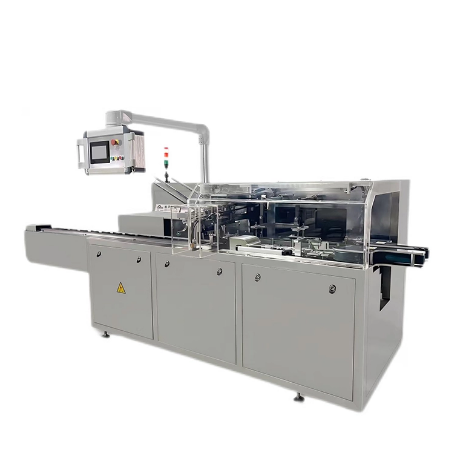
The transition from manual labor to automated packaging systems represents a pivotal moment for any growing business. When evaluating this shift, many decision-makers fixate on the initial "sticker price" of the equipment. This approach, however, often overlooks the more critical metric: Total Cost of Ownership (TCO). A lower upfront cost can easily be negated by frequent breakdowns, inefficient material usage, and excessive labor needs. This guide is designed to help you navigate the complex technical and financial variables of investing in an automatic packing machine. We will break down the true cost drivers, from component quality to operational efficiency. Be warned of the "Hidden Cost" trap; low-entry price points can lead to high operational downtime, turning a perceived bargain into a long-term liability.

Compare carton shrink wrap machine prices, automation tiers, and hidden operational costs. Find the best packaging equipment for your business.
