
English
Views: 0 Author: Site Editor Publish Time: 2026-03-26 Origin: Site


Unplanned downtime is not just an inconvenience; it is a direct drain on your profitability. Every minute an automatic carton packing machine sits idle, your production targets slip further away. Many businesses fall into a reactive "break-fix" cycle, only addressing problems after they cause a costly shutdown. The shift to proactive, preventive maintenance (PM) is a powerful strategy for protecting your investment and operational stability. This guide is designed to help you make that transition. You will learn the essential daily, weekly, and monthly tasks needed to extend the lifecycle of your equipment, ensure consistent Overall Equipment Effectiveness (OEE), and turn maintenance into a competitive advantage.
Preventive vs. Reactive: Routine checks reduce long-term TCO (Total Cost of Ownership) by up to 30%.
The "Clean-Lubricate-Adjust" Triad: The foundation of all box packing machine longevity.
Pneumatic Health: Maintaining 6-8 bar pressure and dry air is critical for cylinder life.
Autonomous Maintenance: Empowering operators to perform basic checks prevents 70% of common failures.
Manufacturer Support: Why choosing a packing machine manufacturer with robust documentation is a pre-purchase priority.
Viewing maintenance as a cost center is a common but shortsighted mistake. A well-executed maintenance program is a direct contributor to your bottom line. It defines the real return on investment (ROI) of your machinery long after the initial purchase. Let's break down how consistent upkeep translates into tangible financial benefits.
The Total Cost of Ownership (TCO) extends far beyond the initial price tag. It includes operational costs, spare parts, and labor over the machine's entire lifespan. An automatic packing machine designed for easy access to key components drastically reduces the time and labor required for routine tasks. When evaluating new equipment, consider how quickly a technician can access and replace a timing belt or clean a glue nozzle. Machines with poor maintenance accessibility inflate your long-term labor costs, eroding your ROI year after year.
Poor maintenance directly impacts product quality. A misaligned folding arm, a dirty sensor, or an incorrectly tensioned chain can lead to improperly formed or sealed cartons. These defects result in rejected products, wasted packaging materials, and potential rework. For example, a heating element on a hot-melt sealer that isn't regularly cleaned can develop "char" buildup. This leads to inconsistent glue application, weak seals, and cartons that may open during transit. Proactive maintenance ensures every component performs to specification, keeping your reject rates low and your material costs in check.
In industries like food, beverage, and pharmaceuticals, compliance with safety and hygiene standards is non-negotiable. Regulations such as HACCP (Hazard Analysis and Critical Control Points) and GMP (Good Manufacturing Practices) require equipment to be clean and mechanically sound. A rigorous maintenance schedule, including hygiene audits and mechanical checks, is essential for meeting these standards. Worn-out guards, faulty emergency stops, or frayed wiring are not just operational risks; they are serious safety hazards and compliance failures. Regular audits ensure your machinery is safe for operators and that your products meet stringent industry requirements.
Like a car with a complete service history, a well-maintained machine retains significantly more of its value. A detailed maintenance log provides documented proof of care. It shows prospective buyers that the asset has been properly managed, not run to failure. Should you decide to upgrade your production line, a higher resale value for your old automatic carton packing machine can provide a substantial capital offset for new equipment. Maintaining service logs is a simple practice that preserves the long-term asset value of your machinery.
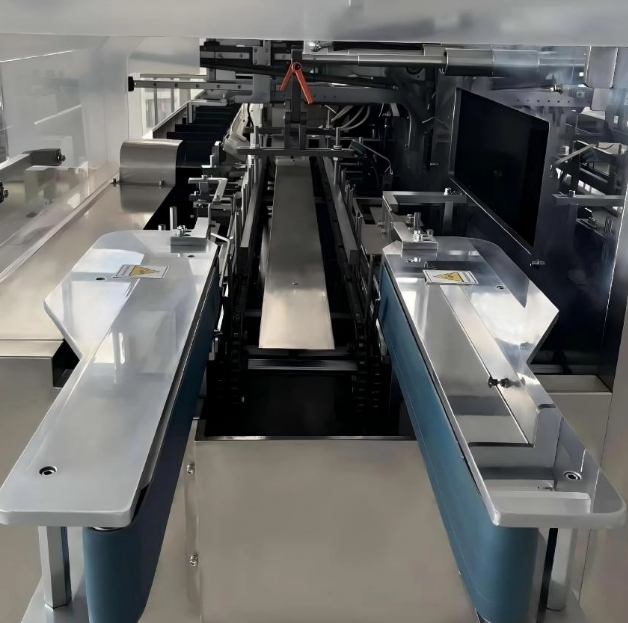
Empowering machine operators to perform basic daily checks is the cornerstone of a successful maintenance program. This approach, often called "autonomous maintenance," makes operators the first line of defense against common failures. These simple, pre-shift tasks can prevent the majority of small issues from escalating into major downtime events.
The most frequent cause of machine stops is often the simplest: dirt. Dust, cardboard debris, and adhesive residue accumulate on critical surfaces and sensors. Optical sensors, or "photo-eyes," that detect carton presence or position can become "blind" when their lenses are obscured. This can lead to misfeeds, jams, or incorrect product placement. A daily routine should include:
Wiping down all accessible sensors with a clean, lint-free cloth.
Removing any glue residue from folding guides, sealing plates, and transport rails.
Clearing paper dust from the carton magazine and feed area.
This five-minute task dramatically improves machine reliability and prevents frustrating, intermittent faults.
Pneumatic systems provide the force for many machine actions, like erecting cartons or activating reject arms. Their health depends entirely on a clean, dry air supply at the correct pressure. Moisture in the air lines can corrode internal valve components and wash away cylinder lubrication, leading to premature failure. Before starting the shift, operators should:
Check the Air Pressure Gauge: Ensure it reads within the manufacturer's specified range, typically 6-8 bar (90-115 PSI).
Drain the Moisture Separator: Open the drain cock on the filter/regulator unit to release any accumulated water.
Listen for Leaks: Hissing sounds indicate air leaks, which waste energy and can cause pressure drops.
The reject system is your final quality gate. It ensures that any non-conforming packages (e.g., empty carton, unsealed flap) are removed from the production line. If this system fails, defective products could reach your customers. A simple daily test verifies its functionality. This can be done by intentionally creating a fault condition (as guided by the manufacturer's manual) and confirming that the machine correctly identifies and ejects the faulty carton. This test provides confidence that your quality control mechanisms are working as intended.
Safety must always be the top priority. All safety features should be verified before production begins. This non-negotiable check includes:
Physically opening a safety guard door to ensure the machine immediately stops.
Pressing each emergency stop (E-stop) button to confirm it halts all machine movement.
Verifying that all light curtains and physical interlocks are in place and functional.
This audit takes less than a minute but is crucial for protecting personnel and ensuring a safe working environment.
While daily checks by operators handle surface-level issues, weekly and monthly audits performed by trained technicians address the deeper mechanical and electrical health of the machine. These scheduled tasks prevent wear and tear from causing catastrophic failures.
Proper lubrication is essential for reducing friction and extending the life of moving parts. High-speed components like drive chains, bearings, and linear guides require consistent attention. A technician's weekly routine should involve identifying all lubrication points specified in the machine manual. In food or pharmaceutical applications, it is critical to use certified food-grade lubricants to prevent product contamination. Neglecting lubrication leads to increased heat, component wear, and eventual seizure of critical parts.
The timing of a box packing machine is everything. Drive belts and chains synchronize the complex movements of carton feeding, folding, and sealing. If a chain becomes too loose, it can skip a tooth on a sprocket, throwing the entire machine out of time. This can cause mechanical crashes between moving parts, resulting in severe damage. If a belt is too tight, it puts excessive strain on bearings and motors. Weekly or bi-weekly checks should include:
Inspecting belts for signs of fraying, cracking, or glazing.
Checking chain tension and adjusting it according to the manufacturer's specifications.
Ensuring all sprockets and pulleys are securely fastened and aligned.
The electrical cabinet is the brain of your machine. Heat and dust are its worst enemies. A monthly inspection helps prevent electrical failures. Technicians should look for loose wire connections, as vibrations can cause them to loosen over time. These can lead to intermittent faults or arcing. Cooling fans and filters on the cabinet must be cleaned to ensure proper airflow, preventing PLCs and drives from overheating. For advanced diagnostics, thermal imaging can be used to spot "hot spots" on terminals or components, indicating a potential failure before it happens.
Your machine's Human-Machine Interface (HMI) and Programmable Logic Controller (PLC) store valuable information. This includes all the custom "recipes"—the specific settings for different carton sizes, speeds, and product configurations. A power surge or component failure could wipe this data, forcing you to reprogram the machine from scratch. A monthly or quarterly backup of the PLC program and HMI recipes is a critical preventative measure. Store these backups in a secure, separate location to ensure you can restore operations quickly after an unexpected electrical event.
| Task | Frequency | Performed By | Key Goal |
|---|---|---|---|
| Sensor Cleaning | Daily | Operator | Prevent misfeeds and jams |
| Pneumatic Check | Daily | Operator | Ensure correct air quality and pressure |
| Lubrication | Weekly | Technician | Reduce friction and wear |
| Belt/Chain Tensioning | Weekly/Bi-Weekly | Technician | Maintain machine timing and prevent slippage |
| Electrical Cabinet Inspection | Monthly | Technician | Prevent overheating and electrical faults |
| Software/HMI Backup | Monthly/Quarterly | Technician/Engineer | Protect operational data |
Even with perfect maintenance, some components are designed to wear out over time. A strategic approach to managing these wear parts is essential for minimizing downtime. Instead of waiting for a part to fail, you can anticipate its needs and act proactively.
Every machine has a set of components that endure the most stress and friction. Understanding what these are is the first step in effective parts management. For an automatic carton packing machine, these typically include:
Suction Cups: Used for picking cartons from the magazine, they can harden, crack, or lose their shape over time, leading to pick-up failures.
Cutting Blades: If your machine cuts tape or film, these blades will dull with use, resulting in poor seals.
Heating Elements: The components in hot-melt glue systems can burn out after a certain number of heating cycles.
Timing Belts: These toothed belts are subject to stretching and wear, which can affect machine timing.
Your machine's manual should provide a recommended list of common wear parts.
Imagine a small, inexpensive part fails and shuts down your entire production line. If you don't have a replacement on-site, you could face 24-48 hours of downtime while you wait for a shipment. A "critical spares" kit prevents this scenario. This is a curated collection of essential wear parts and low-cost, high-failure-rate components kept on-site. Having a spare suction cup, sensor, or belt can turn a two-day shutdown into a 15-minute fix. Work with your packing machine manufacturer to identify the most critical spares for your specific model.
Predictive replacement is a more advanced strategy than simply waiting for failure. Instead of replacing a part when it breaks, you replace it when it reaches the end of its expected service life. This can be based on time, but it's more accurately based on machine cycle counts. For instance, if a timing belt is rated for 10 million cycles, you can use the machine's internal counter to schedule its replacement proactively. This approach avoids the unpredictability of random failures and allows you to schedule maintenance during planned downtime.
When sourcing spare parts for an automatic carton packing machine, always consider supply chain risks. Some manufacturers use proprietary components that can only be sourced from them, often with long lead times. Others use standardized, off-the-shelf parts that are readily available from multiple suppliers. Understanding the lead time for critical components is crucial for your inventory planning. Factoring in potential shipping delays or supply chain disruptions will help you decide which parts are essential to keep in your on-site kit.
The easiest machine to maintain is one that was designed with maintenance in mind from the very beginning. When you are in the market for new equipment, evaluating a manufacturer based on the maintainability of their machines is just as important as evaluating speed and price.
A machine with a modular design is built in accessible sub-assemblies. This means a technician can access and service one section of the machine—like the carton feeder or the sealing unit—without having to dismantle the entire frame. Ask for demonstrations or videos showing how to perform common maintenance tasks. How easy is it to get to the "guts" of the machine? A smart, modular design saves countless hours of labor over the equipment's life.
Some manufacturers use proprietary electronic and pneumatic components, locking you into their supply chain for spare parts. This can be risky and expensive. A forward-thinking packing machine manufacturer will use widely available, off-the-shelf components from reputable brands like Siemens, Allen-Bradley, or Festo. This standardization gives you flexibility in sourcing spare parts, often at a lower cost and with faster delivery times. It's a key indicator of a manufacturer who prioritizes the customer's long-term operational success.
High-quality documentation is an invaluable maintenance tool. A good manual goes beyond basic operating instructions. Look for detailed, exploded-view diagrams that clearly label every part. Troubleshooting flowcharts that guide technicians through diagnosing problems step-by-step are also essential. Clear, well-written documentation empowers your team to solve problems independently and efficiently, reducing your reliance on external support.
Finally, assess the manufacturer's commitment to supporting your team. Do they offer comprehensive on-site training for your operators and maintenance staff? In today's connected world, remote support is also critical. A manufacturer that can provide technical guidance via video call or Augmented Reality (AR) assistance can help your team resolve complex issues much faster than waiting for a field service technician to travel to your site. This level of support demonstrates a true partnership focused on your success.
When you're new to a machine, certain issues tend to pop up more frequently. Here's a look at some common failures and their likely causes, helping you diagnose problems quickly.
| Problem | Likely Cause | Solution |
|---|---|---|
| Inconsistent Carton Forming |
| Check for leaks in the vacuum line. Clean or replace suction cups. Adjust magazine side guides to fit the carton snugly. Test with a different batch of cartons. |
| Sealing Failures (Hot-Melt Glue) |
| Verify temperature matches glue specifications. Clean the nozzle thoroughly. Refill the glue tank. Adjust the compression section to ensure flaps are held firmly while the glue sets. |
| Timing Jitters or Hesitation |
| Inspect the main encoder for secure mounting. Check and adjust chain/belt tension. Clean all relevant product-detect sensors. If the issue persists, consult the manufacturer about potential software optimization. |
Implementing a robust maintenance strategy is the single most effective way to maximize the performance and lifespan of your packaging machinery. By adopting a "Daily-Weekly-Monthly" framework, you create a structured approach that catches small problems before they become catastrophic failures. This requires more than just a checklist; it demands a cultural shift. When you treat operators as "machine owners" rather than just users, you empower them to take pride in their equipment's condition and performance. Ultimately, a well-maintained machine is the quietest, most reliable, and most profitable part of the factory floor.
A: It's better to base lubrication schedules on duty cycles or operating hours rather than calendar days. A machine running 24/7 will require more frequent lubrication than one running a single shift. Always refer to the manufacturer's manual, which provides specific recommendations for each lubrication point based on expected use. As a general rule, high-speed chains and bearings may need weekly attention, while slower components might only need it monthly.
A: No, this is a critical safety and performance consideration. If your machine is used in food, beverage, or pharmaceutical packaging, you must use certified food-grade (H1) lubricants to prevent contamination. Additionally, using a grease with the wrong viscosity can be harmful. A grease that is too thick may not penetrate tight clearances, while one that is too thin may drip out. Always use the lubricant type specified by the manufacturer.
A: It depends on the task and the manufacturer's policy. Routine, authorized maintenance like cleaning, lubrication, and replacing designated wear parts (as outlined in the manual) will not void your warranty. However, unauthorized modifications, using non-specified parts, or attempting complex electrical or software repairs yourself could void it. When in doubt, always consult your manufacturer before undertaking a major repair during the warranty period.
A: For beginners, the two most common culprits are surprisingly simple: dirty sensors and poor air quality. A sensor lens covered in dust or glue residue can't detect cartons correctly, causing frequent, frustrating stops. Similarly, moisture or low pressure in the pneumatic system causes weak or inconsistent movements. These two issues likely account for a significant percentage of unplanned downtime and are easily preventable with daily operator checks.


